Ziyarat guide · Badr · updated 2026
13 Ziyarat Places to Visit in Badr: The Battlefield, the Wells and the Martyrs' Graves (2026)
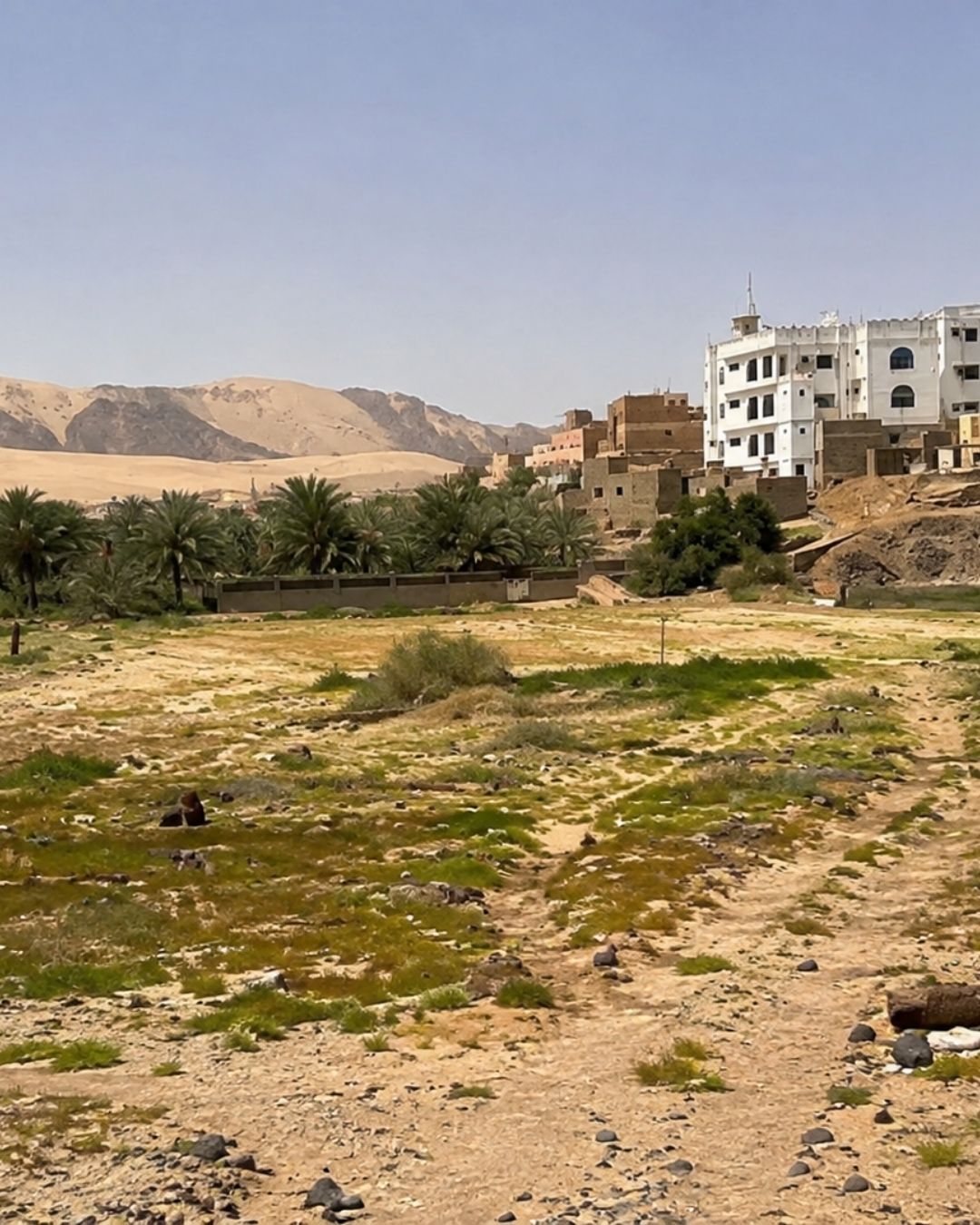
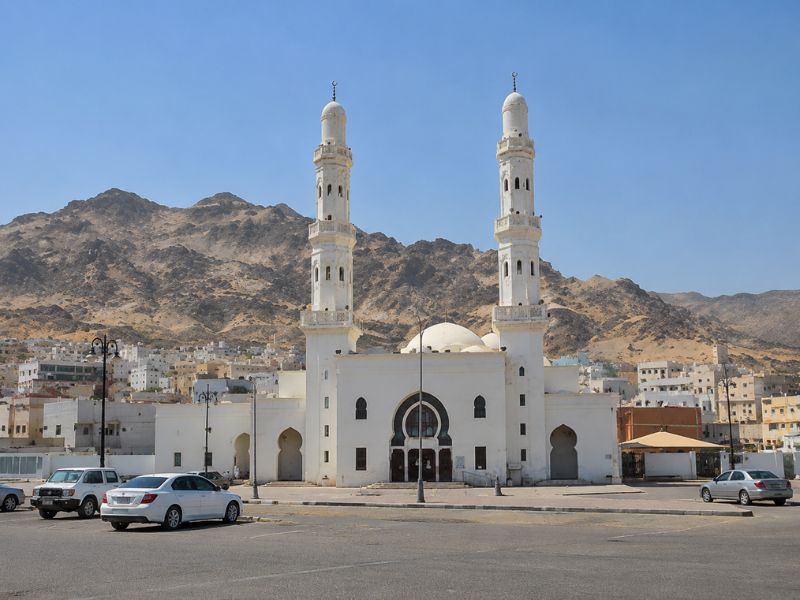
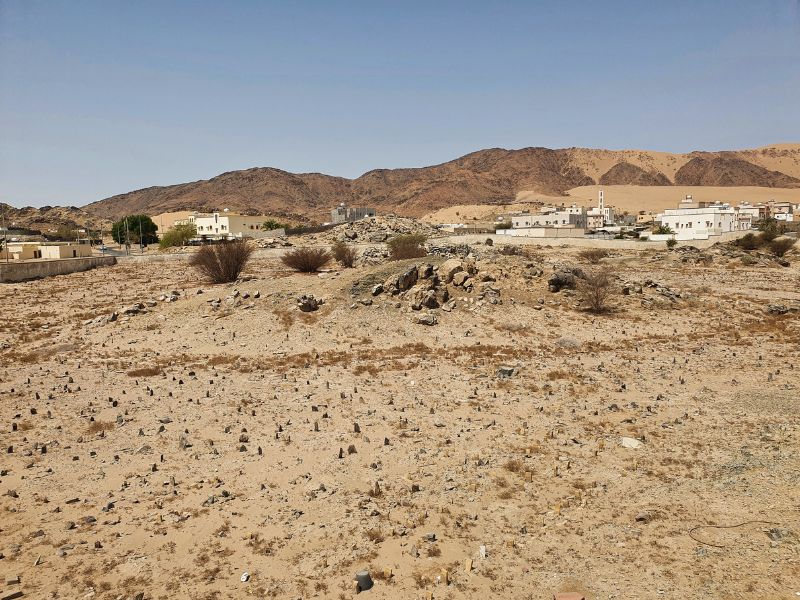
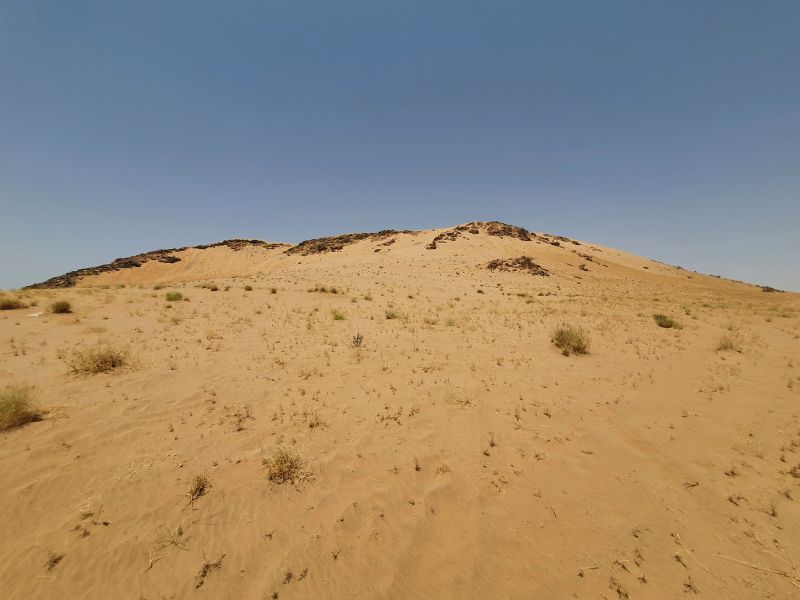
The ziyarat places of Badr covered in this guide.
Most of the places to visit in Badr sit on one small plain, and you can stand in the middle of it with nobody else around.
That surprises pilgrims who arrive expecting gates and crowds after Makkah and Madinah. Badr is where 313 lightly armed Muslims met a Quraysh army of over 1,000 on 17 Ramadan, 2 AH, and won.
I drive pilgrim groups here from Madinah most weeks. This guide covers the 13 sites worth your time, what actually remains at each one, and how to fit the whole trip into half a day.
| Badr at a glance | |
|---|---|
| Distance from Madinah | About 150 to 160 km, southwest |
| Drive time one way | 1.5 to 2 hours |
| Private taxi from Madinah, return | SAR 250 to 350, waiting time included |
| Date of the battle | 17 Ramadan, 2 AH (624 CE) |
| Muslim army | 313 men |
| Quraysh army | Over 1,000 men |
| Muslims martyred | 14 |
| Time needed on site | 2 to 3 hours |
Jump to:
The story in three minutes
The plain looks like open ground unless you know what happened on it, so read this in the car before you arrive.
In the second year after the hijrah, a Quraysh trade caravan was coming home from Syria. The Prophet Muhammad ﷺ set out from Madinah to intercept it. Muslim scouts then brought bad news. The caravan had slipped away along the coast, and a full Quraysh army had marched out of Makkah to protect it.
The Muslims numbered 313, most of them on foot, with two horses and seventy camels between them. The Quraysh army carried over 1,000 men with cavalry and armour. The Prophet ﷺ consulted his companions, and the Ansar spoke up first. They chose to stand.
That night the Muslim army moved forward to the wells and took the nearest one, a decision that shaped the whole battle. Rain fell, firming the sand under Muslim feet and turning the Quraysh side to mud. The fighting began on the morning of 17 Ramadan. Angels descended to fight beside the Muslims, and Allah records this divine help in Surah Al-Imran. Seventy Quraysh died, seventy were captured, and fourteen Muslims were martyred.
Every site below is a piece of that one morning.
The battlefield centre, on foot
Six sites sit close enough together that your driver can park once. Wear shoes you can walk on gravel in.
1. Medan-e-Badr, the battlefield plain
On footMedan-e-Badr is a flat valley floor between low hills, and the fighting happened in the open ground you are standing on. There are no walls, no ticket office and no crowd.
That emptiness is the reason people come. You can see the near side, the far side and the wells from one spot, which no book can give you. Walk out a few hundred metres from the road and the whole event makes sense in a way it never did in a seerah class.
2. Masjid Areesh, the Mosque of the Tent
On footOn the edge of the plain stands a small white mosque built where the Prophet ﷺ had his command post. Companions raised a shelter of palm branches for him here, and from inside it he prayed through the night for victory.
The mosque is plain and usually open outside prayer times. Pray two rak'ah, then step outside and look across the ground he was looking at. Most groups spend fifteen minutes and wish they had stayed longer.
3. Badr Martyrs' Cemetery
On footThe fourteen men who died at Badr rest in a fenced enclosure on the battlefield, a few minutes' walk from the mosque. The graves are simple, marked with unadorned stones, and there is nothing to circle or touch.
A board lists the names, six from the Muhajirun and eight from the Ansar. Ubaydah ibn al-Harith is among them. He fought in the opening duel, lost his leg, and died of the wound on the road home. Read the names slowly, make du'a from the fence, and keep your phone away. Of all the sacrifices you will read about on this trip, these are the ones with a name and a place.
4. Bir al-Badr, the wells
On footBadr was a watering stop on the caravan road long before the battle, and the wells are why both armies met here. When the Muslim army took the nearest well and blocked the others, the Quraysh lost their water before a single sword was drawn.
Modern pumps and a covered wellhead now stand where the old wells were. There is little to photograph. What matters is understanding that a strategic location won this ground before courage did, and the wells explain that better than any plaque.
5. Al-Adwa al-Dunya and al-Adwa al-Quswa
On footThe Quran itself names the two sides of this valley in Surah Al-Anfal. The Muslims camped on the near side, al-Adwa al-Dunya, and the Quraysh on the far side, al-Adwa al-Quswa. Both are visible from the cemetery.
Ask your driver to point them out rather than driving to each one. They are stretches of open ground, and their value is in seeing how close the two camps were. From the Muslim side you understand how small 313 men would have looked that morning.
6. The ground of the opening duel
On footBetween the two camps is the stretch where the battle began. Three Quraysh champions stepped out and three Muslims answered them: Hamza, Ali and Ubaydah ibn al-Harith. Two Quraysh fell at once, and Ubaydah's wound is the one that took him from the list of fighters to the list of martyrs.
There is no marker. Stand between the mosque and the far side and you are close enough.
The mountains around the plain
The hills need a car and ten minutes each. None of them requires a climb, which is a relief after Jabal al-Nour in Makkah.
7. Jabal al-Malaikah, the Mountain of Angels
10 min by carLocal tradition holds that the angels descended over this rocky ridge on the edge of the plain. It is the site pilgrims ask about by name before they have even sat down in the taxi.
You will see a bare, reddish hill with a rough track beside it. Nothing is built on it, and no sign confirms the story. The Quran confirms the divine intervention, not the exact hill, so treat the ridge as a place to remember the verses rather than a shrine.
8. Jabal Akhdar, Mount Akhdar
10 min by carMount Akhdar is the green-tinged hill that gives the best single view over the battlefield. Guides often connect it with the position of the Muslim army before the fighting, though that link rests on local memory rather than the early sources.
Drive up as far as the track allows and get out. From here you can see the mosque, the cemetery, the wells and both sides of the valley in one frame. Take your photographs here and leave the cemetery unphotographed.
9. Jabal al-Tabl and the watchpoints
10 min by carA few smaller hills ring the plain, and Jabal al-Tabl is the one most drivers know. Muslim scouts used high ground like this to watch the Quraysh camp the night before, counting camels to estimate the size of the army.
Nothing marks any of them. Include this stop only if you enjoy reading the ground like a soldier would. Families with young kids are usually happier skipping it.
10. Ghar-e-Tadbeer, the Cave of Planning
10 min by carSome local guides show a shallow cave in the hills and call it the place where the Prophet ﷺ planned the battle. I include it because you will be offered it, not because the seerah books mention it.
If you are curious, five minutes is enough. If your time is short, spend those minutes back at Masjid Areesh, where the planning actually happened.
Badr town
The modern town sits beside the battlefield and has two stops worth a detour.
11. Masjid Badr al-Kubra
Badr townMasjid Badr al-Kubra is the town's main mosque and the cleanest place to pray, wash and rest before the drive back. It is large, air conditioned and built for the pilgrim buses that arrive in Ramadan.
Time your visit so one of your prayer breaks falls here. The drive back to Madinah is long, and this is the last comfortable stop.
12. The old marketplace
Badr townA short walk from the mosque are the remains of the old Badr souq, where caravans traded for centuries. Only low walls and the street pattern survive.
The value is seeing why a market town grew here at all. Water and trade routes brought the caravan, and the caravan brought the battle.
13. Names you will hear but not find
No stopDrivers and guidebooks mention Masjid al-Fath, Masjid al-Ghanaim and Masjid al-Malaikah as if they were separate stops. On the ground they are attributions, small spots tied to the victory, the war spoils and the angels, with no building or sign to visit.
I tell our drivers to explain each name in the car rather than stop for it. Your time is better spent at the twelve real sites above.
Getting to Badr from Madinah
Badr is a half-day trip from Madinah, and the route is a straight run down the coast road.
| Trip detail | What to expect |
|---|---|
| Route | Madinah to Badr via the Yanbu road |
| Distance | About 150 to 160 km each way |
| Driving time | 1.5 to 2 hours each way |
| Best departure | After Fajr, back in Madinah by Dhuhr or Asr |
| Private taxi, return | SAR 250 to 350 |
| Waiting time | Included at every site |
| Booking | WhatsApp, with your hotel name and group size |
Leave after Fajr. The plain has no shade, and by eleven in the morning the heat makes even the cemetery hard to enjoy. Groups that leave at 8 am end up rushing the sites they came for.
A private taxi service costs more than a shared bus seat but gives you the plain to yourself and a driver who waits at every stop. Our Badr trips run door to door from your hotel in Madinah and back, and the price covers waiting time at all thirteen sites. Book on WhatsApp the day before and tell us if anyone in your group needs help walking. For current prices and what each package includes, see our Badr ziyarat taxi page and the full Umrah cost guide.
Ramadan deserves one honest warning. The battle anniversary on 17 Ramadan brings buses from across Saudi Arabia, and the cemetery gets crowded for two or three days. The rest of the year you will share the plain with a handful of pilgrims at most.
Taking kids and older relatives
Badr works well for families because nothing here needs a climb. Children who found Jabal al-Nour impossible can walk this whole plain.
Tell the story in the car before you arrive, not at the graves. Kids remember 313 against 1,000 and the rain that turned the Quraysh side to mud. Older relatives can see every site from the car if walking is hard, and Masjid Badr al-Kubra has clean facilities for the rest stop.
Our Badr ziyarat taxi from Madinah
Pickup at your Madinah hotel around 7:00 AM, 150 km down the Yanbu road, then the battlefield, Masjid Areesh, the martyrs' cemetery and Jabal al-Malaikah with the driver waiting at every stop, and back in Madinah by early afternoon. Toyota Camry SAR 400, Hyundai Staria SAR 450, Toyota Hiace SAR 500, per car with no hidden fees. Full details on our Badr ziyarat taxi page.
If you want the wells, Jabal Akhdar, Badr town or a Bir Ali ihram stop on the way back added, tell us when you book and we build the morning around your prayer times.
Build your own Badr trip, get a quote on WhatsApp
Tick the places you want, tell us your group, and the enquiry opens in WhatsApp ready to send. We reply with one fixed price for the whole trip, driver waiting at every stop.
Frequently Asked Questions
- What are some must-see places in Badr?
- The four must-see places in Badr are the battlefield plain, Masjid Areesh, the Badr Martyrs' Cemetery and Bir al-Badr, the wells. All four sit within walking distance of each other. If you have another hour, add Jabal al-Malaikah and the view from Jabal Akhdar. The remaining sites are for pilgrims who want the full story on the ground.
- What to do when visiting Badr?
- Start by reading the story of the battle in the car, then walk the plain, pray at Masjid Areesh and make du'a at the martyrs' graves. Keep your phone away at the cemetery and take photographs from Jabal Akhdar instead. End at Masjid Badr al-Kubra for prayer and a rest before the drive back to Madinah.
- How far is Badr from Madinah?
- Badr is about 150 to 160 km southwest of Madinah, and the drive takes 1.5 to 2 hours each way on the Yanbu road. A private taxi for the return trip costs SAR 250 to 350 with waiting time included. Most groups leave after Fajr and are back in Madinah by early afternoon.
- What is the difference between visiting Badr and the Madinah ziyarat sites?
- The Madinah sites are mostly mosques and can be seen in a morning inside the city. Badr is a single historic battlefield outside town, so the trip takes half a day and rewards knowing the seerah beforehand. Nothing is grand or built up. The value is in standing where the events happened.
- Is Badr ziyarat suitable for kids?
- Yes. Badr is one of the easiest ziyarat trips for children because there are no climbs and the sites are close together. Tell the story of the battle before you arrive so the empty plain means something to them. Bring water and hats, because there is no shade on the battlefield.
Getting between the sites
Badr has no taxi rank, and the sites sit 150 km from the nearest one, so the vehicle decides the whole morning. Hujjaj Umrah Taxi, part of Al Harbi Transport, runs the Badr ziyarat taxi as one fixed-fare round trip from your Madinah hotel with a driver who waits at every stop. Most pilgrims pair it with the Madinah ziyarat the day before, and if you are going on to Makkah, the Madinah to Makkah taxi can route via Bir Ali for ihram under the same booking.